Learning Gaps After COVID: How Parents Can Help Children Rebuild Foundations

A child who struggles with today's lesson may be missing an earlier step. Before asking for more effort, it helps to ask what the lesson assumes the child already knows.
Pandemic disruption makes that question particularly important. The effects were uneven, and an individual child's needs cannot be inferred from age or school year alone.
What the evidence tells us
In the United States, the 2024 NAEP reading results showed lower average scores for fourth graders than in both 2022 and 2019. That is evidence from a particular assessment, grade, and country. It does not establish the needs of every child or prove that one factor caused the decline.
Families can take such findings seriously without deciding that their own child is permanently behind.
Find the missing connection
Suppose a child finds fractions confusing. Can they identify equal parts? Compare simple quantities? Explain what the numerator and denominator represent? A difficulty with one foundation can make later work appear much harder.
With reading, distinguish among recognising words, understanding vocabulary, following a sentence, and explaining a passage. A child may be competent in one area and need help in another.
Discuss these observations with the teacher. Ask for a specific example of what the child can do independently and an example of the next skill to develop.
Teach one manageable step
Choose a narrow goal. “Improve reading” is too broad for a single session. “Explain the main idea of this paragraph and identify one supporting detail” gives both adult and child a clearer task.
Demonstrate the thinking, work through an example together, and then invite the child to try a similar task. If independence remains difficult, return to the explanation rather than interpreting the difficulty as unwillingness.
Short, focused home support is one possible part of a plan. Some children will need additional school intervention or specialist instruction.
Make improvement visible
Keep an occasional sample of work. Revisit a comparable task after practice. Look for a change in accuracy, explanation, or independence rather than relying only on the amount completed.
Say what improved: “Last time you needed help choosing the evidence. Today you found it and explained the connection.”
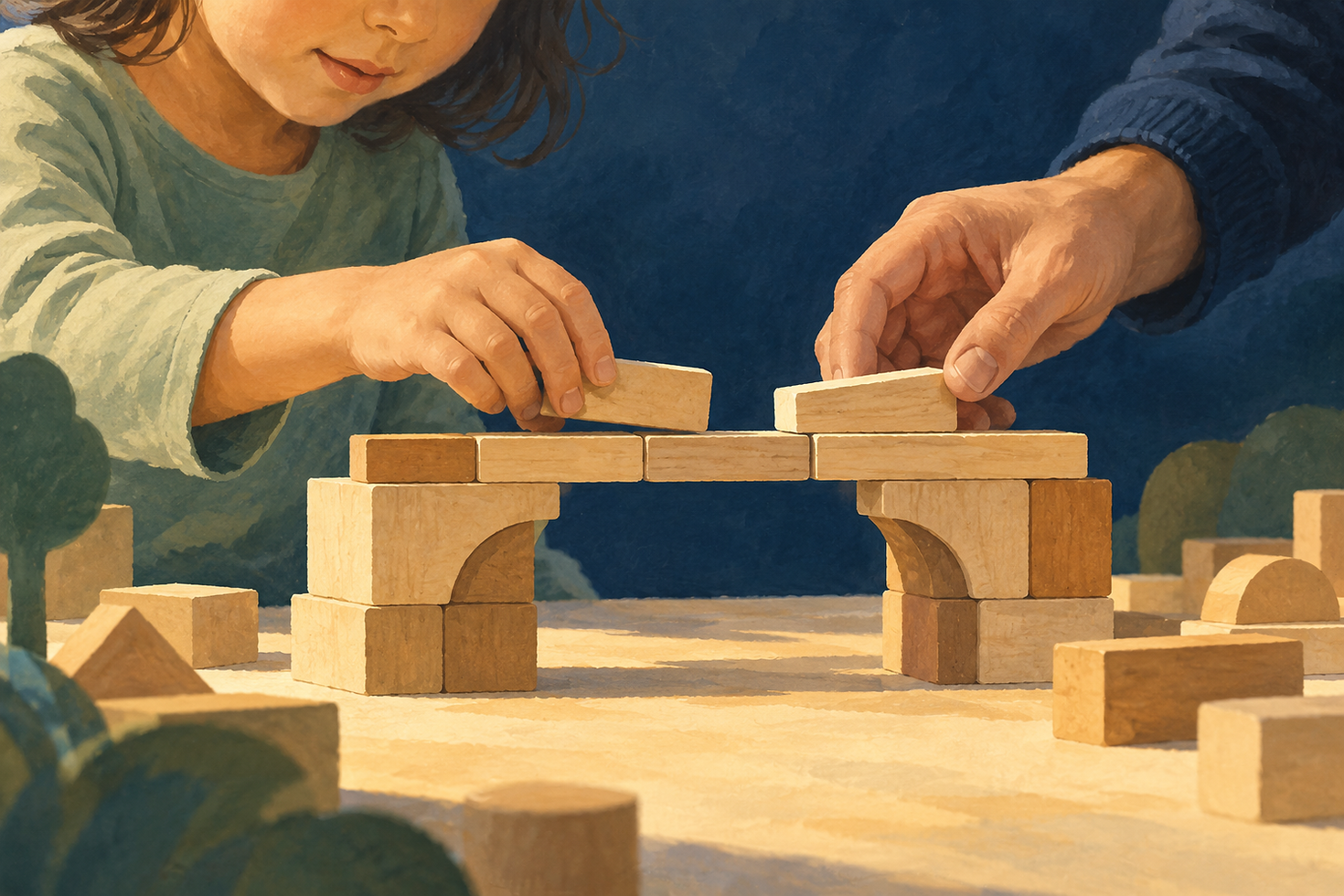
Recovery is easier to discuss when the next step is concrete. The aim is to give children access to the ideas they are studying now while patiently strengthening the foundations underneath them.
Continue learning with Newton
Select practice that supports the specific foundation you are working on. Browse grade and subject resources



Comments